लोकेशन South Sudan?
South Sudan यह Africa में स्थित है। नीचे मैप और जानकारी देखें।
मुख्य तथ्य South Sudan
Juba
11.1 million
English
South Sudanese Pound (SSP)
644,329 km²
Africa
6.88
31.31
Sudan, Ethiopia, Kenya, Uganda, Democratic Republic of the Congo, Central African Republic
South Sudan on the World Map
South Sudan is situated in Africa, positioned at approximately 6.88° latitude and 31.31° longitude. The country occupies a strategic location that has shaped its history, culture, and economic development over the centuries. Its geographic position places it in proximity to several important trade routes and regional powers, influencing both its domestic policies and international relations.
The terrain and geography of South Sudan vary significantly across its 644,329 km² of land area. From bustling urban centers to serene natural landscapes, the country offers a diverse range of environments. The capital city, Juba, serves as the administrative and economic hub, drawing people from across the nation for opportunities in commerce, education, and governance.
On the world map, South Sudan can be found in the Africa region, bordered by Sudan, Ethiopia, Kenya, Uganda, Democratic Republic of the Congo, Central African Republic. These neighboring nations share historical, cultural, and economic ties with South Sudan, creating a complex web of relationships that define the geopolitical landscape of the region.
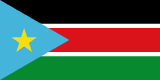
South Sudan Country Flag
The flag of South Sudan is a powerful national symbol that represents the identity, history, and values of the nation. Each element of the flag carries deep significance, often reflecting the struggles and triumphs that have shaped the country into what it is today. The design and colors are carefully chosen to embody the spirit of the 11.1 million people who call South Sudan home.
National flags serve as a unifying symbol at international events, diplomatic missions, and patriotic celebrations. The flag of South Sudan is no exception — it is displayed proudly at government buildings, schools, and international forums, representing the sovereignty and dignity of the nation on the global stage.
Total Population of South Sudan
South Sudan has a population of approximately 11.1 million, making it a significant demographic presence in Africa. The population distribution varies across the country, with the capital Juba and other major cities serving as population centers that drive economic activity and cultural exchange.
Understanding population dynamics is crucial for planning infrastructure, healthcare, education, and economic policies. The demographic trends in South Sudan reflect broader patterns seen across Africa, including urbanization, changing age distributions, and migration patterns. These factors shape the future trajectory of the nation and its role in the regional and global community.
Primary Languages Spoken in South Sudan
The primary language(s) spoken in South Sudan include English. Language is a cornerstone of cultural identity in South Sudan, serving as a medium for literature, governance, education, and daily communication among the 11.1 million residents.
In addition to the official language(s), many regions within South Sudan may have local dialects and indigenous languages that reflect the country's rich cultural diversity. Linguistic heritage is often preserved through oral traditions, educational institutions, and media, ensuring that the unique voices of South Sudan's communities continue to thrive in the modern era.
South Sudan Neighboring Countries
South Sudan shares its borders with Sudan, Ethiopia, Kenya, Uganda, Democratic Republic of the Congo, Central African Republic. These neighboring nations play an important role in South Sudan's economic, cultural, and political landscape. Cross-border trade, shared natural resources, and cultural exchanges are common features of life in border regions.
The relationships between South Sudan and its neighbors have been shaped by centuries of shared history, migration, and diplomatic engagement. Today, regional cooperation through trade agreements, security partnerships, and cultural exchange programs continues to strengthen these bonds, contributing to stability and prosperity in the Africa region.
Currency Used in South Sudan
The official currency of South Sudan is the South Sudanese Pound (SSP). Understanding the local currency is essential for travelers, businesses, and anyone engaged in financial transactions within the country. The currency reflects the economic identity of the nation and plays a vital role in domestic and international trade.
Currency stability and exchange rates are important economic indicators that affect the purchasing power of South Sudan's 11.1 million residents. The central bank and financial authorities work to maintain monetary stability, control inflation, and support economic growth through careful management of the national currency.
Frequently Asked Questions About South Sudan
Where is South Sudan located?
What is the capital of South Sudan?
What languages are spoken in South Sudan?
What countries border South Sudan?
What is the population of South Sudan?
What currency is used in South Sudan?